Commercial façades
Manage changing sun exposure across selected façade zones.
SPD Smart Glass uses an electrically controlled particle layer to change rapidly between darker and lighter transparent states. It is designed for premium spaces where adjustable shading, a clear outside view and responsive controls matter. SEG supports selection, glazing coordination, wiring and project delivery across the UAE and GCC.
SPD means suspended particle device. The glazing contains microscopic light-absorbing particles within an active film. When an approved electrical voltage is applied, the particles align and the glass becomes lighter. When the signal is reduced or removed, the particles return to a darker state.
SPD is made for adjustable transparent shading. It is different from PDLC, which changes between clear and frosted privacy states, and from electrochromic glass, which generally changes tint more gradually. Final colour, tint range and performance depend on the approved product and glass build-up.
 Light tint stateDark tint state
SPD must be planned as a complete laminated glazing and control system. Glass build-up, busbars, wiring, controller and framing access all require early coordination.
Without the operating signal, suspended particles absorb and block more incoming light.
The approved controller aligns the particles within the active SPD layer.
More visible light passes through while the glass remains transparent.
The system can return to a darker state or hold supported intermediate tint levels.
Best suited to projects where façade orientation, occupant comfort and building controls can be coordinated early.
Manage changing sun exposure across selected façade zones.

Support visual comfort around large windows without permanent blinds.

Create adaptable daylight conditions in premium guest spaces.
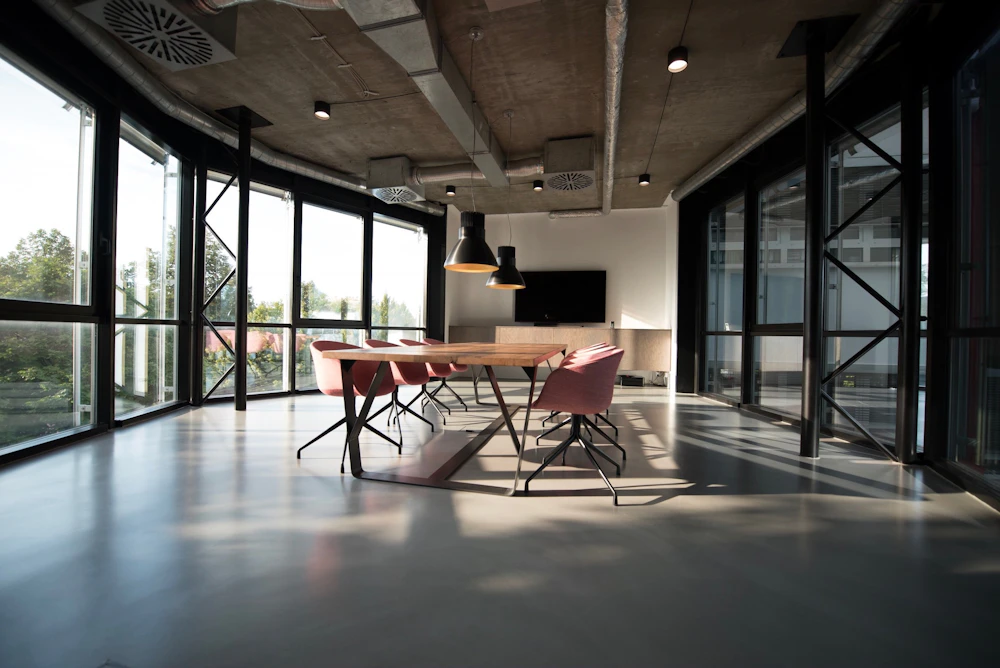
Help reduce screen glare and discomfort near glazed elevations.

Add responsive transparent shading to selected premium marine glazing.

Control strong overhead light where mechanical shading may be difficult.
Change tint rapidly when light conditions or user needs change.
Select supported tint levels rather than using only open or closed shading.
Retain a view through the glazing across its transparent tint range.
Reduce dependence on visible blinds in technically suitable applications.
Support visual comfort around strong daylight and reflective surfaces.
Coordinate approved switches, dimming controls, sensors and automation.
SPD Smart Glass is a specialist laminated glazing system. Early technical review is essential for panel sizes, edge protection, electrical routing, optical expectations and environmental exposure.
Review orientation, direct sun, temperature, humidity and interior use conditions.
Confirm safety, structural, thermal, optical and acoustic requirements.
Review physical samples for colour, haze and available tint states.
Coordinate concealed cables, controllers, ventilation, access and maintenance.
Protect active edges and confirm compatible sealants and glazing materials.
Available functions depend on the selected SPD product, controller and approved integration method.
Adjust the glazing from a local switch or approved dimming interface.
Use a compatible handheld or app-based interface where specified.
Link approved daylight or solar sensors to the control logic.
Coordinate compatible interfaces with the wider building-management system.
Define comfort, daylight, appearance and control objectives.
Review product, glass build-up, sizes and required performance.
Align façade, electrical, controls, wiring and access requirements.
Manufacture approved glass units to the confirmed project schedule.
Install, connect and verify approved tint and control behavior.
Send the application, glass sizes, drawings, exposure conditions and preferred controls for an initial technical review.
No. SPD is designed for variable transparent tint and shading. For frosted privacy, PDLC smart film or laminated smart glass is normally the more relevant technology.
SPD is known for rapid tint response. Actual behavior must be confirmed against the approved system, panel size, controller and operating conditions.
Many SPD systems support variable intermediate states. The available control range and method depend on the selected product and controller.
It can support glare and solar-management objectives. Exact performance must come from the approved glass build-up and manufacturer test data.
SPD is normally supplied within a purpose-made laminated glazing unit. It is not generally treated as a simple adhesive retrofit film.
Compatible systems may connect with switches, sensors, schedules or BMS interfaces. The integration must be agreed during design.